The Million-Dollar Business Model Crossroads
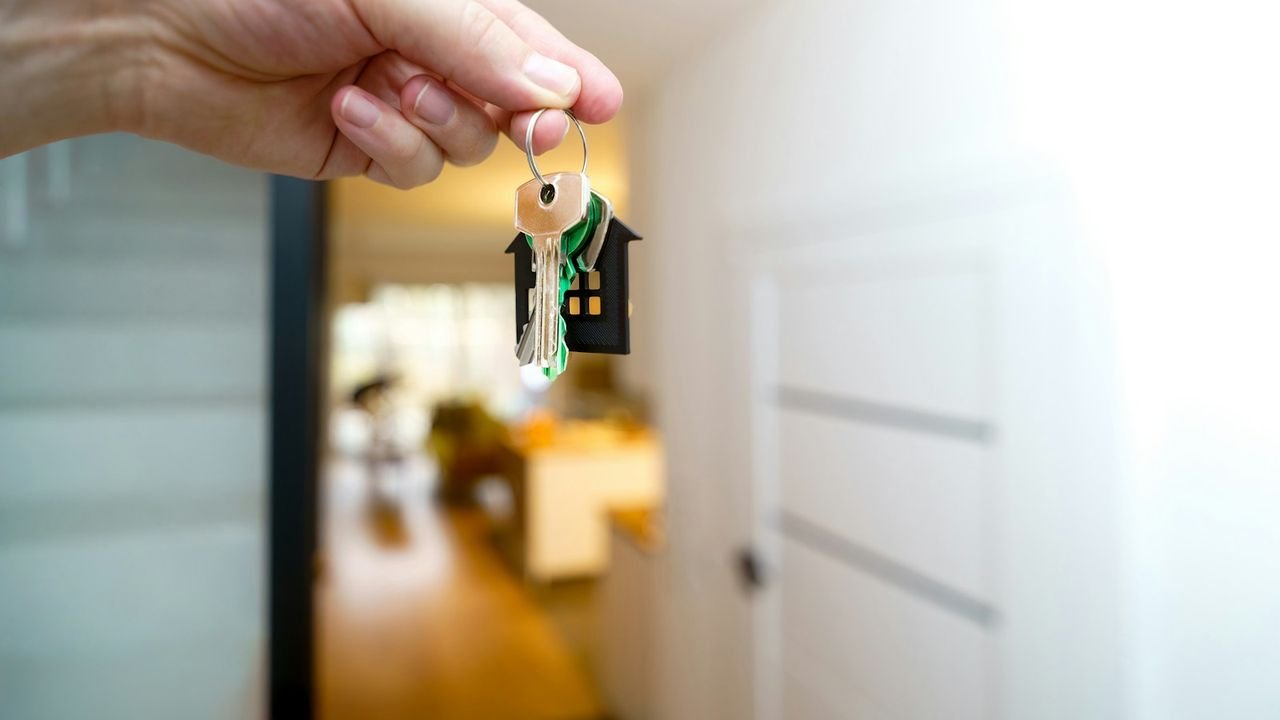
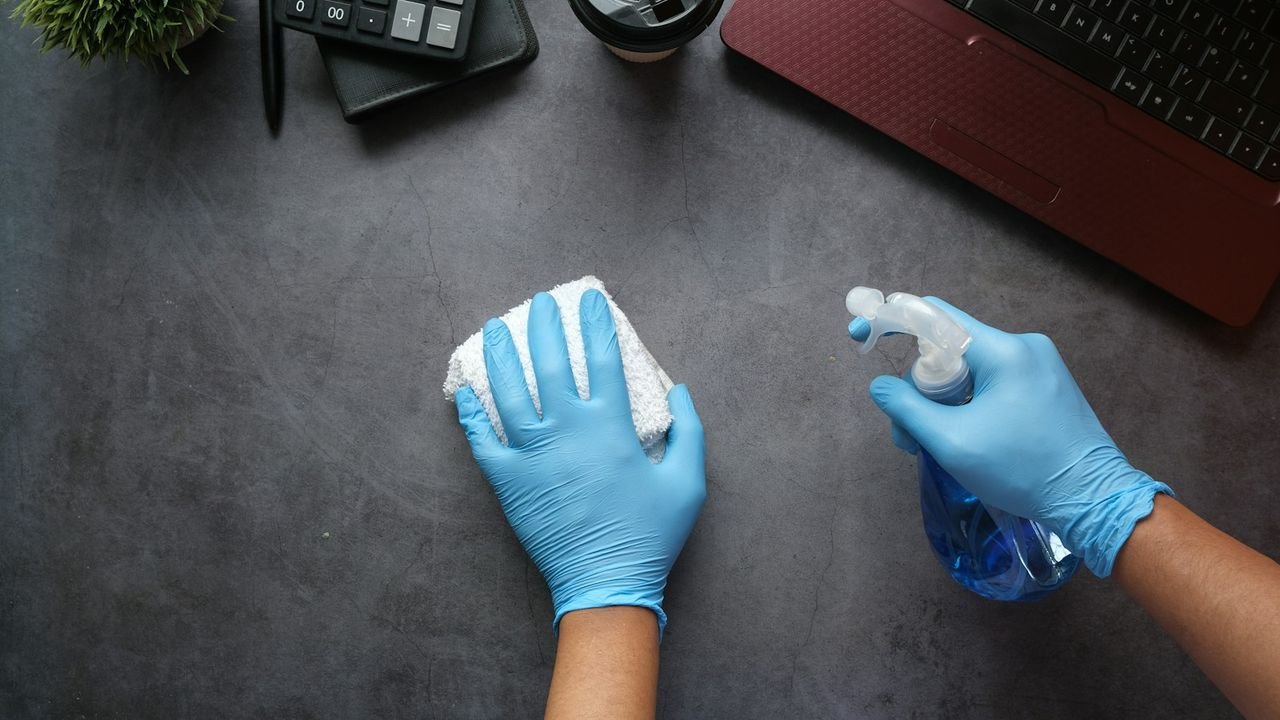
Every ambitious cleaning entrepreneur eventually faces a crucial strategic decision: "Should I focus on building a residential maid service cleaning homes, or pivot into commercial janitorial cleaning offices, medical clinics, and retail spaces?"
Both business models have created multi-million dollar enterprises. However, they operate on completely different economics, operational schedules, sales cycles, and customer psychology.
In this comprehensive comparative analysis, we evaluate the real financial data across profit margins, client retention, labor dynamics, startup capital, and enterprise valuation to help you choose the ideal path for your cleaning company in 2025.
Head-to-Head Comparison: The Key Metrics
| Business Model Metric | Residential Maid Service | Commercial Janitorial |
|---|---|---|
| Average Gross Profit Margin | 52% - 62% (Higher) | 38% - 48% (Lower) |
| Average Deal Size | $150 - $220 per visit ($3,900/yr) | $800 - $4,500/mo ($18,000/yr) |
| Sales Cycle Length | 10 Minutes (Instant Online Booking) | 3 to 8 Weeks (Formal RFP Bidding) |
| Payment Terms | Immediate Credit Card on File | Net 30 / Net 60 Days (Requires Float) |
| Operating Work Hours | Daytime (Monday - Friday 8am-5pm) | Evenings / Nights (6pm - 2am) |
| Client Annual Churn Rate | 25% - 35% / Year | 10% - 15% / Year (High Retention) |
The Pros & Cons of Residential House Cleaning
The Advantages:
- High Gross Profit Margins: Residential homeowners are less price-sensitive than procurement managers. You can easily achieve $60 to $75+ per labor hour.
- Instant Cash Flow: Credit cards are charged immediately upon completion, eliminating unpaid accounts receivable.
- Predictable Daytime Working Hours: Easier to recruit cleaners with families who want standard 8:30 AM to 4:30 PM shifts.
- Rapid Customer Acquisition: Homeowners make emotional buying decisions in under 10 minutes on Google Ads.
The Challenges:
- Higher Customer Churn: Homeowners move, experience financial stress, or cancel service more frequently.
- Emotional Quality Scrutiny: Clients examine their personal living space closely, requiring strict quality control.
The Pros & Cons of Commercial Janitorial Cleaning
The Advantages:
- Massive Contract Sizes: A single medical facility or corporate office can represent $3,000 to $8,000 in monthly recurring revenue ($36k-$96k/year).
- Sticky, Long-Term Contracts: Facility managers hate switching janitorial vendors. Average contract retention is 3 to 5+ years.
- Less Emotional Client Dynamic: As long as trash is emptied, restrooms sanitized, and floors buffed, commercial clients rarely micromanage.
The Challenges:
- Slow Payment Cycles (Net 30/60): You must have enough working capital to make cleaner payroll for 60 days before receiving invoice checks.
- Night Shift Staffing: Managing night-shift crews (6 PM to 2 AM) requires reliable supervisory staff.
- Tighter Margins: Facility managers often solicit multiple bids, pushing pricing toward competitive square-footage rates ($0.08 - $0.16/sq ft).
The Ultimate Recommendation: The Hybrid Model
The most resilient, profitable cleaning businesses in America operate a 70/30 Hybrid Model:
- Anchor Cash Flow with Commercial (30%): Secure 3 to 6 corporate or medical janitorial accounts ($8,000-$15,000/mo) to cover fixed company overhead, management salaries, and insurance every month.
- Maximize Profit with Residential (70%): Build a 50-to-100 client residential route generating $25,000 to $50,000/mo at 55%+ gross margins to maximize owner distributions and net cash flow.
Operational Requirements for Commercial Bidding
When bidding on commercial accounts, prepare these essential documents:
- ACORD 25 Certificate of Insurance: $2,000,000 General Aggregate, $1,000,000 Each Occurrence, plus statutory Workers' Comp.
- Comprehensive Scope of Work (SOW): Frequency matrix for daily, weekly, and monthly tasks (trash removal, restroom sanitizing, high dusting, floor waxing).
- Quality Inspection Protocol: Monthly computerized facility inspection reports shared with property managers.
- Key & Alarm Access Security Protocols: Bonded key-holder agreements and alarm code security tracking.
The Commercial Janitorial Walkthrough & Bidding Formula
When conducting a commercial building walkthrough, calculate your bid using the Production Rate Method:
- Determine Total Cleanable Square Footage: Subtract unoccupied warehouse or mechanical space.
- Apply ISSA Production Rates: Standard office space cleans at 2,500 to 3,500 sq ft per labor hour. Medical facilities clean at 1,500 to 2,000 sq ft per labor hour due to strict sanitization protocols.
- Calculate Monthly Labor Hours:
(Cleanable Sq Ft ÷ Production Rate) × Visits Per Week × 4.33 Weeks/Month. - Apply Burdened Commercial Billable Rate ($38–$48/hr): Multiply monthly hours by your target billable rate to determine the final monthly contract fee.
Actionable Strategic Checklist
- [ ] If under $10k/mo revenue: focus 100% on Residential to generate fast cash flow and build working capital.
- [ ] If at $20k-$50k/mo revenue: launch a B2B Commercial outbound campaign targeting medical and accounting offices.
- [ ] Ensure you have a 60-day payroll cash buffer before signing Net-30 commercial janitorial contracts.
- [ ] Standardize separate residential checklists and commercial facility scope documents.
- [ ] Request ACORD 25 certificates of insurance from your commercial insurance broker.
Frequently Asked Questions
How much does commercial janitorial pay per square foot?
In standard US markets, commercial cleaning is priced between $0.09 and $0.18 per square foot per month for 3x-5x weekly cleaning schedules, depending on facility type (medical facilities command higher rates than standard warehouses).
Can my residential cleaners work commercial jobs in the evening?
Yes. Many cleaning specialists welcome the opportunity to earn overtime by working a 2-hour commercial office clean after their daytime residential route.
Which model sells for a higher multiple when selling the business?
Commercial janitorial companies typically command higher enterprise valuation multiples (3.5x to 5.5x EBITDA) due to long-term contractual lock-in, compared to residential maid services (2.5x to 4.0x EBITDA).
The Insurance and Safety Hardening Blueprint for Commercial Accounts
Winning high-ticket commercial janitorial accounts ($2,000–$8,000/mo) requires strict adherence to commercial safety standards that residential clients rarely request:
- OSHA HazCom Compliance & Safety Data Sheets (SDS): Maintain a physical binder containing SDS sheets for every chemical product in your janitorial supply closet on the client site.
- Color-Coded Janitorial Equipment: Dedicated microfiber mops and auto-scrubber pads color-coded to prevent cross-contamination between commercial restrooms and executive breakrooms.
- Electronic Janitorial Keycard & Lockbox Security: Formal sign-in/sign-out procedures for master facility keys and security alarm codes to protect client intellectual property and equipment.
Commercial Bidding: How to Calculate Overhead & Profit (O&P)
When bidding commercial RFP proposals, always separate direct cleaner labor from General & Administrative (G&A) overhead. Add a minimum of 15% G&A overhead and 20% net contractor profit to your direct labor calculation to ensure commercial contracts remain profitable after management and supply costs.
The Night Shift Supervision & Quality Inspection App
Managing night-shift janitorial crews (6:00 PM to 2:00 AM) without direct physical micromanagement requires mobile GPS time-tracking and digital punch lists (like Swept or CleanGuru). Janitors take mandatory photo verification of cleaned restrooms and locked exit doors before clocking out, ensuring 100% facility security and client satisfaction.
Securing Commercial Subcontracting Master Agreements
Partner with regional facility maintenance brokers and national property management companies. Many national retail chains subcontract their local branch janitorial needs to vetted independent operators, providing instant $3,000–$6,000/month commercial contracts with zero marketing acquisition spend.